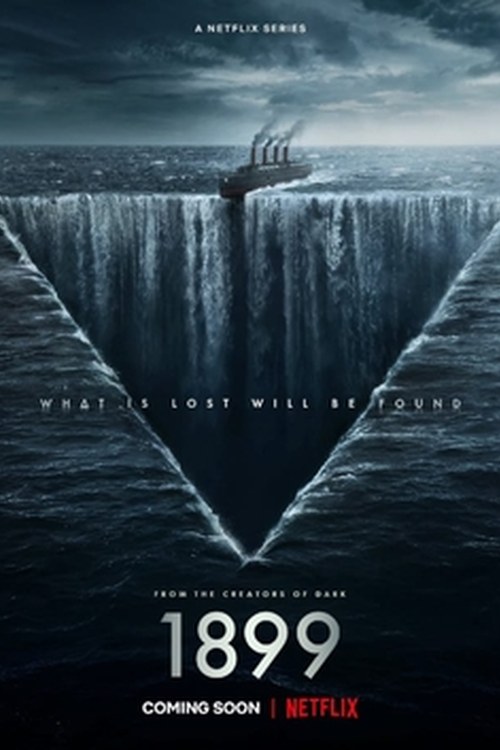
1899 · Season 1 · Episode 2 · 17 November 2022
S1E2 The Boy
A tense procedural turn makes the Prometheus dangerous, though some silences stretch the mystery thinner than needed.
This hour turns the ship from a destination into a pressure chamber. After the discovery that should have stayed a mystery, the crew starts hard-dividing into “facts” and “faith,” and the show uses that social split to make the horror feel procedural, not supernatural. BollyAI’s
Full episode analysis below. Spoiler-light verdict above.
Updated
The message is ugly because it is so small. A ship has been found, the Prometheus hangs over every conversation, and the attached instruction is brutally plain: Sink ship. Episode 2 understands the power of a command that arrives without a face. Before anyone can solve what happened on the Prometheus, the Kerberos has to decide whether truth is worth disobeying orders for. The episode works when it turns panic into procedure, and wobbles when its silences stretch past tension into delay. ## The Command Is Cleaner Than the Mystery
The distress message gives the episode its sharpest shape. At [02:36], the order to sink the ship is discussed, and by [03:15], the room has shifted from alarm to investigation. What happened on the Prometheus matters less, for now, than who benefits from nobody finding out. That is where Episode 2 improves on a simple haunted-ship premise. The hour is not chasing fog and screams. It is chasing paperwork, signal logic, and shipboard authority. A message arrives. A company appears to have a secret. A dead or deserted vessel becomes a problem to manage before anyone understands it. That is cleaner writing than pure atmosphere because it gives every conversation a pressure point. The trouble is that the episode sometimes treats the question as enough. Several exchanges circle the Prometheus without adding much new information, and the dialogue density rises until urgency can feel rehearsed. Still, the central directive does real work. “Sink ship” is blunt enough to cut through the slower passages. It tells the Kerberos crew, and the hour, that the mystery is no longer abstract. Somebody wanted the Prometheus gone. Somebody failed, or was interrupted. Now the wrong people have found it. ## Prayer Before Proof
The shipboard prayer at [08:50] gives the episode one of its clearest tonal pivots. “Our Lord will protect us” is not treated as an answer. It is a reflex, a way for frightened people to impose shape on an event that refuses ordinary explanation. That matters because Episode 2 keeps placing belief beside evidence. The prayer belongs to one kind of order. The telegraph and compass belong to another. The Prometheus disturbs both. A ship can be towed, searched, measured, and supplied against. It can also become an omen before anyone has the facts. The episode’s patience in these stretches helps create the feeling of a vessel full of people trying to choose an operating system: faith, hierarchy, suspicion, or reason. The downside is pacing. The dossier points to extended silences, and the hour’s long religious and interpersonal passages sometimes hold the same note too long. Silence can be menace. Here, a few pauses feel like the show protecting its secrets instead of sharpening them. The prayer sequence still earns its place because it widens the crisis beyond the bridge. The Prometheus is not only a captain’s problem. It is a floating rupture in the ship’s idea of safety. ## Maura and Daniel, Forced Into the Same Frame
At [09:59], Maura Franklin introduces herself to Daniel Solace, and the episode briefly turns from the machinery of the mystery toward forced proximity. Within this hour, its main function is tension by placement. Two people are put into the same conversational frame while the ship loses its normal rules. That is useful for 1899 because the central mystery risks becoming too mechanical if every scene is a clue exchange. Maura and Daniel give the hour a quieter human angle, but the episode avoids turning the introduction into comfort. It adds another line of uncertainty to an already crowded board. The interpersonal material is less forceful than the operational material in this episode. The Prometheus beats carry immediate consequence. The Maura and Daniel beat carries promise. Promise is fine in a season engine, but in an individual hour it needs a sharper hook to compete with a command to destroy a ship. The scene plants instead of paying off. That is acceptable serialized craft, but it leaves Episode 2 slightly lopsided. The ship mystery is already moving, while some character dynamics are still asking for patience. ## The Instruments Accuse the Ship
The episode’s best midsection arrives when scattered symptoms become an accusation. At [30:21], someone points to the telegraph and compass and insists that something is wrong with the ship. That beat matters because it moves the hour from dread into argument. The Prometheus is no longer merely strange. The evidence is behaving strangely around it. The compass detail is especially strong because it attacks navigation itself. On a ship, the compass is not decorative. It is confidence made visible. If every compass is affected, the problem is not one frightened person misreading the room. The episode uses that idea well: when instruments fail, authority starts to sound like opinion. This is also where the hour’s dialogue density pays off. The questions and urgent assertions around the Prometheus finally have friction. People are trying to force out the truth while others want calm, redirection, or control. That central contradiction gives the episode its pulse. The desire to determine what happened collides with the desire to manage the room. The scene works because the facts are limited but the consequences of accepting them are large. What keeps it from landing harder is repetition. The episode leans on people declaring wrongness before it varies the form of that wrongness. Still, the telegraph and compass give the mystery physical credibility. The Prometheus does not simply look cursed. It interferes with the systems that make the Kerberos a ship. ## Turning Back, With No Way Back
The late operational turn is the hour’s strongest structural move. At [39:27], the bunkers are checked and the remaining coal is roughly estimated. At [47:09], the Captain decides to turn the ship around and tow the Prometheus back. That sequence matters because it translates fear into logistics. Coal, direction, towing, command. The supernatural or conspiratorial fog is forced through practical maritime decisions. The Captain’s contradiction is the episode’s engine. He wants the voyage plan followed, yet he initiates the change that drags the ship backward into the unresolved disaster. This is good dramatic pressure because it does not make him random. It makes him responsible. A leader can insist on order and still choose the one action that breaks the route. That is the hour’s cleanest moral knot. Then [50:15] sharpens the paradox: the turn back cannot be stopped, while someone insists they cannot go back. The line works because it names the episode’s actual condition. The Kerberos is physically reversing course, but the story is not returning to safety. It is moving toward the thing it was warned to erase. This is where Episode 2 finds its shape. The first half asks what happened. The second half asks what obeying that question will cost. ## The Verdict
Episode 2 is a solid, moody escalation that understands procedure can be as frightening as a scream. Its best beats are practical: a message that says destroy the evidence, compasses behaving wrong, coal being counted, a captain choosing to tow trouble home. The hour earns a 7.4 because its central contradiction is strong and its final turn has bite, even if some religious and interpersonal stretches hold their breath longer than the tension can support. As a season piece, it does the necessary work of changing the Prometheus from an object of curiosity into an active threat to the Kerberos’ route, command structure, and fragile sense of order. Written by BollyAI, reviewed by our editorial team.