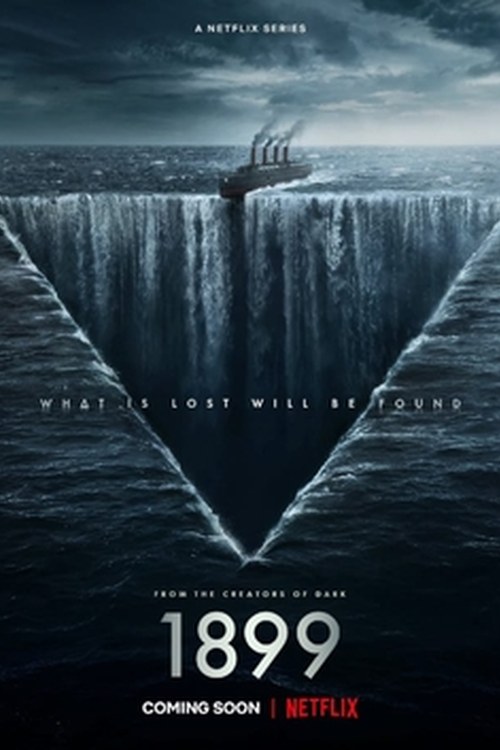
1899 · Season 1 · Episode 6 · 17 November 2022
S1E6 The Pyramid
A sharp reality-collapse hour that grips hardest when Maura names herself, even when its silences outpace its answers.
A door opens like an accident. Not a grand reveal, not a monster roar. Just a corridor that should not belong to the same ship, the same time, the same rules. People step forward anyway. The episode’s tension is simple and brutal: the closer the passengers get to an answer, the m
Full episode analysis below. Spoiler-light verdict above.
Updated
The joke is over before the episode has warmed up. The demand is simple: go home. Then the ship's problem becomes less spiritual and more mechanical. If the machinery fails, the people trapped out there die. That blunt survival pressure gives an hour full of unreal things a hard floor. It keeps dragging the nightmare back to metal, bodies, and time. BollyAI's read: "Episode 6" works because it lets reality fail in practical stages first, then makes Maura Franklin fight for her own name inside the collapse.
Survival Is the First Lie
The opening stretch does something smart with panic. It begins with people wanting to leave. The ship has to run. The route has to make sense. The situation has to be explainable enough for decisions to matter. That is the hour's first trap. Everyone behaves as if procedure can save them while the episode keeps showing that the system underneath procedure is rotten.
The early dialogue packs itself around survival decisions. Characters are still trying to speak the world into order. If someone explains the danger clearly enough, if someone tells the others enough, if someone gets the machine running, then the chaos might shrink back into accident. The line "Why didn't you tell them?" lands in that register. Information becomes moral currency. Withholding it becomes betrayal.
That is where the episode starts building its real argument. This is an hour about recognition. People want to be told what is happening, but the truth does not arrive as comfort. It arrives as another locked door. The writing keeps the first act grounded in shipboard necessity, which makes the later unreality hit harder. A weaker version would rush straight to the puzzle box. This one first reminds everyone that hunger, engines, and exposure still exist. Then it starts taking away the floor.
The Object Wins by Refusing a Name
The strange object is strongest as a negative presence. The key admission around it is uncertainty: nobody can pin down what it is or what it does. That is more frightening than a clean explanation, and the episode understands why. A named threat becomes a problem. An unnamed thing becomes a climate.
The open loop around the thing that "wasn't here before" gives the hour its creeping visual logic. The threat spreads into the ship's sense of place. The episode's middle section asks the bluntest possible question, "What is this place?" By then, the question has outgrown geography. It is about whether location itself can be trusted.
That is also where the pyramid fixation tightens the hour. The instruction that the group needs the pyramid gives the plot a physical object to chase, but the episode never lets that object become a simple key. It sits between explanation and superstition. People can hold it, want it, hunt it, and still fail to understand the rules around it.
The boy's absence sharpens that tension. The order to find him turns the late movement into a hunt, but the hunt is loaded because the boy has already been tied to the show's central machinery of mystery. Where is he? Why is he needed? Why does the pyramid matter to him? The episode plants those questions cleanly. It does not resolve them here, and that restraint helps the dread more than the plotting. The object wins because everyone has to act around it before anyone understands it.
Faith Gives Way to Control
The philosophical stretch risks slowing the hour, but it also gives "Episode 6" its coldest edge. The line "God writes our story" states the comfort system some characters are trying to live inside. If suffering has an author, then suffering can be endured as design. If events follow a divine script, then fear has a frame.
The episode does not let that frame stay clean. The moral-legal exchange launched by the question of whether telling the truth is a virtue turns faith into a courtroom without mercy. Truth loses purity. It becomes tactical, punishable, and dangerous. That shift matters because the hour keeps connecting belief to control. Someone's story is being written, and the episode grows increasingly hostile to the idea that the writer is benevolent.
Krester fits that unease. His contradiction is built around wanting connection and recognition while being repeatedly missing, found, and pushed toward a confrontation with games and father control. That is a grim little knot of character writing. He wants to be seen in a world that keeps treating people like pieces. The language of games makes the manipulation feel childish on the surface and cruel underneath. A game has rules, but those rules favor whoever built it.
Tove gets pulled through a similar violation of agency. She wants continuity and answers. She wants the madness to stop. Instead, she gets dragged into chaos, screaming and injury before a later confrontation. The episode uses her less as a puzzle solver than as proof of impact. Whatever the larger mechanism is, it still lands on bodies. That matters. The mythos can get abstract, but the damage cannot.
Maura Names Herself as the World Says No
The final movement belongs to Maura because the episode's argument narrows into her. She wants to be believed. She wants memory to hold. She wants identity to function as proof. Against that, the narrative keeps denying reality until selfhood becomes the last thing left to defend.
The reveal beat around Daniel is placed like a detonation with no blast music needed: "It's me, Daniel." The line matters because it turns relationship into a manipulated file. Who is Daniel? What does Maura know? What has been taken from her, inserted into her, or hidden behind her own certainty? The episode lets that revelation disturb memory before it explains memory.
Then Maura says the line that anchors the climax: "I'm not crazy. I'm not crazy. My name is Maura Franklin." Repetition is doing the work there. She is not delivering a speech. She is bracing a door with her body. The name becomes a handle she can still grip while the room, the ship, and the story argue against her.
The late sparse dialogue helps and hurts this sequence. The long gaps make the reality-denial line land with a clean chill. Silence turns the episode into a pressure chamber. Still, the abruptness cuts two ways. "This can't be real" has force because the hour has earned the collapse, but the leap from philosophical exchange and hunt mechanics into total unreality can feel more like a trapdoor than a staircase. That is the episode's main wobble. Its mood is controlled. Its transitions are less graceful.
The Verdict
"Episode 6" is a strong reality-collapse hour because it keeps tying the cosmic puzzle to practical needs: make the ship work, find the boy, get the pyramid, remember the name. The hour's best craft choice is making Maura's identity the final battleground instead of treating the mystery as a board of symbols. The weaker choice is pacing the late turns through such heavy silence that one or two revelations arrive with more shock than shape. Still, the episode earns its grip. It pushes the season from maritime survival into open reality failure without losing sight of bodies under pressure. BollyAI's score: 7.8.