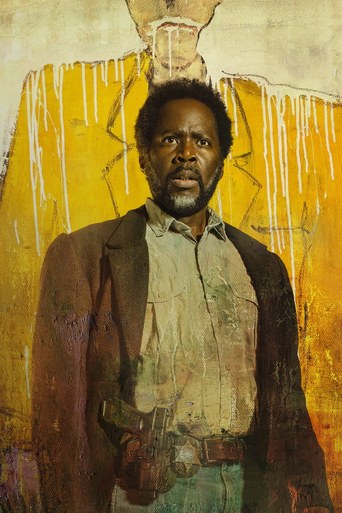
From · Season 1 · Episode 7 · 20 March 2022
S1E7 All Good Things
A strong hinge episode that turns celebration into denial and pushes the town's mysteries toward a more dangerous shape.
THE MOMENT Kevin at the window, and the smile that talks its way through it. The season's entire safety system, undone by company.
The hour the season was building toward, and the rare massacre episode whose worst wound is a confession. The Reverend's I was the one who was supposed to listen reframes his fanaticism as guilt with a collar on, exactly as his certainty gets people killed. A creature is given a name, Jasmine, and the ability to be lonely, which is...
Full episode analysis below. Spoiler-light verdict above.
Updated
Someone knows about the bag. That is the first cut. A secret that looked buried is suddenly public, and the town's rules tighten around it. Then the Farway Tree stops being a strange object trick and becomes a human threat: "It works for people too." The hour does not rush to explain what that means. It lets the idea sit, then pushes everyone toward the same ugly conclusion. If objects can move, if people can move, if secrets can be watched, then safety here is only a story people tell until the next impossible thing happens. BollyAI's read: "All Good Things" works best when it treats celebration as denial. The episode builds around people trying to keep ritual alive while the place keeps proving that ritual cannot protect them. ## The Bag Refuses to Stay Buried
The opening beat matters because it makes privacy impossible. The line "They said they watched you bury the bag" is plain, but it changes the shape of the mystery. Someone acted in secret. Someone else saw it. The town, already built on paranoia and locked doors, now has a new kind of surveillance inside it. That is the hour's cleanest dramatic move. Pressure comes from knowledge, not spectacle. An unseen watcher exists, or someone close enough to witness the burial has chosen this moment to reveal it. The bag mystery now carries social damage around it. Who knew? Who waited? Why now? The Farway Tree reveal sharpens that damage. Until now, the tree could be filed away as another bizarre property of the place. Once the episode states that it affects people too, the mythology gets teeth. The town is no longer a cage with odd corners. It is a system that can move bodies, scramble assumptions, and make every practical plan feel half-built. That matters because movement has been one of the town's few comforts. People know which roads fail. They know when to lock doors. They know the rituals that let them survive another night. The tree threatens that fragile map. If the place can relocate a person as casually as it relocates an object, then geography becomes another trap. Distance loses meaning. So does control. The hour leans on the power of those revelations without giving them equal dramatic friction in the moment. The ideas are strong. The immediate fallout could hit harder. A secret watcher and a people-moving tree should rattle the town at street level, not just in theory. "All Good Things" understands the implications. It could let the impact bruise more. ## Digging Is What Panic Looks Like
The key line of action comes early: "I am not looking. I am digging." That is the episode's psychology in one blunt sentence. Looking implies method. Digging implies damage. The distinction matters because "All Good Things" keeps pushing its characters from investigation into compulsion. This is where Boyd sits at the center of the hour's contradiction. he threatens violence later, even threatening to shoot the speaker That aggression has a clear source. It is the shape of leadership under pressure. Boyd is trying to hold a moral line in a place that keeps erasing the map, and the more the unknown presses in, the more his tools shrink. Command becomes threat. Protection starts sounding dangerous. The episode benefits from letting that contradiction breathe. Boyd's need to keep people alive has always carried a hard edge, but here the edge becomes the point. When the town's mysteries refuse procedure, he reaches for force. The writing avoids announcing a fall from grace. It places the desire for order beside a violent impulse and lets the clash do the work. That is sharper than another speech about responsibility would be. Boyd's authority has always depended on the belief that he can convert fear into action. This hour tests that belief. Digging is action, but it is also surrender to panic. Threatening violence may produce compliance, but it also tells everyone that the protector is running out of answers. The hour's mystery language sometimes moves faster than the character fallout. The digging image is rich enough to carry more physical consequence than the episode appears to give it. Panic is present. The mess could be nastier. ## A Party With Teeth
Then comes the party. On paper, celebration should offer relief. In this town, it plays more like a dare. A character says, "Baby, the party hasn't even started yet," and the line lands with the wrong kind of promise. The rhythm shifts into rapid dialogue bursts during the party, cutting against the episode's long silences. That contrast becomes the hour's pulse: quiet dread, social noise, quiet dread again. Donna is the emotional hinge here. She wants to keep the celebration going while fearing the unknown. That contradiction is precise because it refuses to reduce her to optimism or denial. Her instinct to preserve the anniversary, to let beauty exist for a while, has survival logic. When someone says, "This is so beautiful," the moment matters because beauty in this place comes with an expiration date. The party material also gives the episode its best tonal gamble. It risks warmth without pretending the danger has gone away. The longer the celebration continues, the more fragile it feels. The dialogue bursts create release, then make the next silence heavier. Donna's role is crucial because she understands the cost of stopping. If the town gives up rituals, it gives up one of the few ways people can recognize themselves. Meals, anniversaries, songs, crowded rooms, none of these defeat the monsters outside. They keep the residents from becoming only prey. That is why the party has teeth. It is not escape. It is defiance under bad lighting, and the episode is smart enough to let that defiance feel temporary. BollyAI's read: the episode understands that happiness inside a trap is never clean. It arrives carrying its own countdown. Donna knows that better than anyone, which is why her insistence on keeping the night alive has bite. ## The Way Out Becomes a Demand
By the time the group resolves to "find a way outta here once and for all," the episode has moved from private mystery to collective mission. That sentence is less a plan than a pressure valve. Everyone needs the idea of exit because the alternative is accepting the pocket universe as a permanent fact. The hour plants the larger question clearly: what exactly is this place, and what rules does it obey? The girl who may be the key to getting everyone home adds another open loop, and it is the kind of mythology hook the series can use well if it keeps tying the cosmic question to human cost. The danger with a mystery-box structure is always abstraction. "All Good Things" stays on safer ground when the questions change behavior immediately. The bag mystery makes people suspicious. The tree reveal alters the meaning of movement. Boyd's threats show leadership cracking. Donna's party shows denial working as temporary medicine. That is why the escape goal lands, even though the wording is broad. It collects the hour's fragments into a direction. People have moved past reacting to the town's rules. They are trying, however desperately, to force the place into giving up a door. As a season piece, Episode 7 feels like a hinge. The town's mysteries stop behaving like isolated phenomena and start forming a hostile system. That shift gives the episode its purpose. The bag, the tree, the watcher, the party, and the escape vow all point toward a larger design pressing on the characters from different angles. ## The Verdict
"All Good Things" is a tense, well-shaped hour because it makes hope look suspicious. The anniversary party gives the episode a living heartbeat, while the bag, the Farway Tree, and the escape vow keep pulling the town back toward the impossible. Boyd's contradiction gives the drama its hardest edge: a protector who wants answers but begins reaching for threats when the world refuses sense. The hour is less convincing when its biggest mythology beats arrive with more conceptual force than immediate consequence. A few revelations need sharper aftermath. Still, the structure works. Silence stretches, party chatter snaps, and the dread returns with better aim. In the season arc, this is the episode where the mysteries begin to connect, and the desire to escape becomes a demand rather than a wish. Written by BollyAI, reviewed by our editorial team.