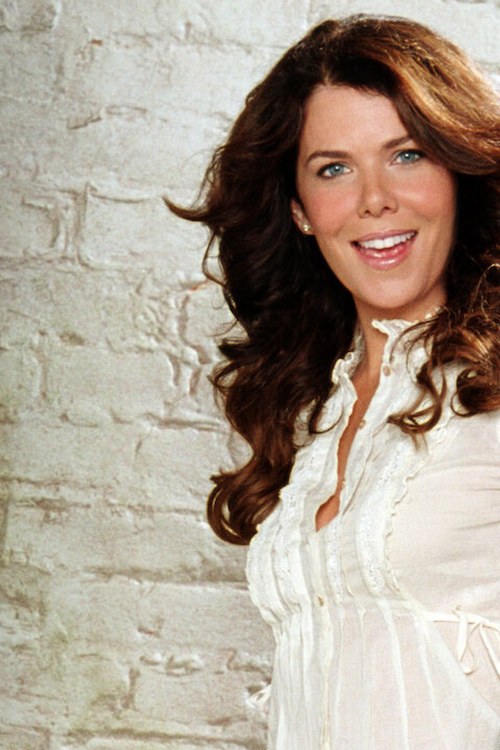
Gilmore Girls · Season 1 · Episode 1 · 5 October 2000
S1E1 Pilot
A fast, warm pilot that turns coffee, tuition, and dinner into sharp little contracts with emotional interest.
THE MOMENT Lorelai and Rory's first coffee shop exchange - the pace and density of the dialogue establishing the series' voice before the first scene ends.
The Gilmore Girls pilot establishes Lorelai and Rory's relationship through the coffee shop dialogue that gives the series its rhythmic signature. Amy Sherman-Palladino's rapid-fire, reference-dense exchanges between mother and daughter are the series' whole formal argument announced in the first scene: this is a show about the specific language a particular mother-daughter pair has evolved. Stars Hollow arrives as a...
Full episode analysis below. Spoiler-light verdict above.
Updated
The first problem arrives before the show explains the family. Someone says there is a problem. Someone agrees. Coffee follows, then a mystery woman insists it is for Rory. That is the pilot’s cleanest trick: it introduces comfort as urgency. A drink becomes a cover story, an acceptance letter becomes a bill, and a family dinner turns into the price of ambition. BollyAI's read: "Pilot" works because every warm object in the hour has a hook inside it. The coziness arrives with terms and conditions.
Coffee as a Cover Story
The opening movement runs on speed. A problem is announced, a coffee order is defended, and the “mystery woman” beat lets the episode enter through rhythm before biography. That is a smart pilot choice. The central relationship feels active before the show has to label it. The line about coffee being “for Rory” is funny because it sounds like a lie before the family map is drawn. The scene treats caffeine as contraband and affection.
That matters because the hour’s larger machinery runs the same way. The dialogue density is high, and the fast back-and-forth gives the pilot its identity. People do not sit in silence and discover feelings. They barter. They dodge. They confess by changing the subject. Even the long sung musical interludes do not soften the episode for long because the scene-to-scene pacing keeps snapping back to conflict.
The danger in a pilot this verbal is that charm can turn decorative. Here, the chatter has a job. It hides stress until the plot forces that stress into the open. By the time the acceptance lands, the episode has already taught its grammar: jokes first, consequences right behind them.
The opening also establishes Lorelai and Rory as a unit before defining the larger family system. That order matters. The pilot wants the audience to feel the ease between them first, so the later return to parental obligation has force. Their banter is not just flavor. It is the emotional baseline that every outside demand threatens to interrupt.
The Acceptance Letter Has a Price Tag
The line “It happened. She did it” gives the hour its cleanest external turn. Rory has been accepted, and the episode frames that news as achievement before turning it into a logistical crisis. The reveal does not float as pure celebration. Almost at once, the question becomes whether enrollment can happen, because the money is due now, with first-semester tuition attached.
That is where the pilot sharpens. It refuses to treat ambition as a poster on a bedroom wall. Chilton means opportunity, but opportunity arrives as an invoice. The hour’s best structural choice is placing educational aspiration and immediate payment in the same breath. One beat says Rory has earned the next step. The next asks who can afford to open the door.
Lorelai becomes the episode’s pressure point because her contradiction is practical. She wants the money arrangement that protects Rory’s place, but she does not want that help to become a long-term claim on their lives. That makes the loan conversation more than a plot device. It is the first adult trap of the series: taking help means giving up some control over the week, the family, and the future.
The pilot’s weakness sits close to that strength. Because the hour has so much enrollment business to process quickly, a few beats feel more functional than bruising. The urgency is clear. The emotional cost could cut a little deeper before the terms arrive. Still, the episode gets the shape right. Money is never treated as a neutral obstacle. It carries history into the room.
A Weekly Dinner Is the Real Contract
The weekly dinner condition is the pilot’s most important piece of architecture. The money solves the immediate Chilton problem, but the dinner arrangement creates the engine. The episode understands that a recurring obligation can be more dramatic than a single confrontation. A bill gets paid once. Dinner comes back.
That is why the condition lands. It converts family history into a schedule. Lorelai can negotiate an amount, but she cannot keep the arrangement clean. Her parents’ involvement changes the texture of the help. The loan brings relief, then proximity, and proximity is what Lorelai has been trying to manage.
The hour is careful about the shape of that bargain. Lorelai requests, negotiates, and pushes toward a deal that keeps Rory’s path alive. The family answers with a condition that makes the deal personal. The pilot does not need a long speech about old wounds to make the tension readable. The condition itself carries the wound. Weekly dinner is polite enough to sound harmless and loaded enough to control the show.
BollyAI's read: that is the pilot’s strongest move. It takes a tiny domestic ritual and makes it a power structure. The table is the trap, and the show knows it.
The condition also gives the series a clean weekly frame without making the construction feel mechanical. Every return to that house can carry a new version of the same argument: access, resentment, gratitude, control. The pilot builds that possibility in one demand. It is efficient writing with teeth.
Rory’s Resistance Gives the Sweetness Teeth
Rory’s side of the episode keeps the pilot from becoming a simple success story. She wants her educational path protected, then resists going to Chilton after acceptance has already triggered family action. The contradiction is clean: she wants stability, while the opportunity requires disruption. By the time she asserts that she will not be talked into it, the episode has made her more than the bright child everyone is organizing around.
That resistance matters because the adults are moving fast. Lorelai is chasing tuition, the parents are setting conditions, and the Chilton decision starts to feel enforced. Rory being “still mad” and pushed toward the change gives the hour friction inside the dream. The pilot does not make ambition painless. It lets the accepted girl be annoyed by the machinery built in her name.
There is a pacing cost. Rory’s resistance arrives in a crowded stretch where the loan, the dinner condition, and the enforced school decision are all fighting for room. The episode gets the information across, but the turn could use more air. Still, the beat is essential. Without it, Rory becomes an emblem of potential. With it, she becomes a teenager whose future is being improved against her timing.
The late guest job situation adds another small jolt. Someone left a note to meet, and the hour keeps expanding its web of obligations. Work, school, family, money: the pilot keeps every door open, but none of them open for free. That pattern is the episode’s real signature. Each invitation carries a cost. Each solution creates another appointment.
Rory’s reluctance also keeps the mother-daughter bond from becoming sentimental shorthand. Lorelai may understand Rory better than anyone, but she can still push too hard when the stakes rise. That tension is useful. The pilot does not break their intimacy. It tests how that intimacy behaves under pressure.
The Verdict
"Pilot" is a strong opening because it understands its central bargain immediately. The episode sells warmth, speed, and small-town bustle, then attaches each one to obligation. Coffee introduces appetite and evasion. Chilton introduces aspiration and cost. The weekly dinner turns financial help into recurring family pressure. BollyAI's read: the hour is at its best when the writing lets comedy move like a negotiation.
The episode is not spotless. A few plot turns arrive with more efficiency than sting, especially around Rory’s resistance to Chilton. But the structure is confident, and the dialogue has a clear dramatic purpose. As a season starter, it plants the two engines that matter: Rory’s enrollment and Lorelai’s renewed dependence on family dinners. The pilot has enough fuel because it knows the conflict is already inside the comfort.