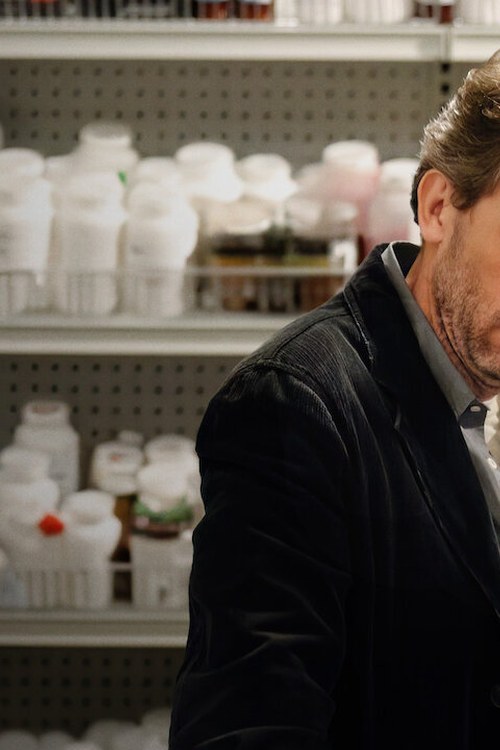
House M.D. · Season 2 · Episode 12 · 14 February 2006
S2E12 Distractions
This S2E12 uses a medical mystery to test character discipline, and House wins by breaking the team’s need for certainty.
A patient collapses in a way that looks too clean, too staged, like the body is following a script. The team runs the familiar checks, but the numbers never sit right in the hands of anyone except **Dr. Gregory House**, who immediately stops treating the mystery like a puzzle and
Full episode analysis below. Spoiler-light verdict above.
Updated
COLD-OPEN
A patient collapses in a way that looks too clean, too staged, like the body is following a script. The team runs the familiar checks, but the numbers never sit right in the hands of anyone except Dr. Gregory House, who immediately stops treating the mystery like a puzzle and starts treating it like behavior. Somewhere inside the routine lab work, the hour finds the real culprit. The episode’s twist is not the diagnosis. It is the method. BollyAI’s read: this one is about how certainty gets manufactured, and how House decides when to break it.
## The Thesis: House Is the Only Character Allowed to Be Wrong
This episode builds its conflict around a simple engine. Everyone else follows procedure until procedure becomes superstition. Dr. Lisa Cuddy protects the hospital with policies that are meant to remove risk, not explain it. Dr. James Wilson tries to keep House human by smoothing the edges. And Dr. Robert Chase, Dr. Allison Cameron, and Dr. Eric Foreman treat the case like a ladder: climb it and you reach the answer. House treats it like smoke: find the direction, then watch who flinches.
The hour’s craft move is that it lets the team “improve” their thinking in ways that look right on paper, while the real breakthrough comes from a personal, adversarial kind of observation. That is why the diagnosis feels earned even when the medical steps are not the point. The episode argues that the show’s moral center is not the science. It is the temperament that decides what evidence counts.
## A Ladder of Certainty, Then a Trap Door
The first half of the episode behaves like a standard medical drama. The case arrives with symptoms that invite a list of likely diagnoses, and the team splits into work modes. Foreman leans toward constraints and differential discipline, because he needs the world to obey rules. Chase pushes pattern recognition through the mess, the way someone does when they do not trust silence. Cameron works the human side, where bedside observations can matter more than the charts.
But the episode keeps tightening around a craft problem: the team’s certainty begins to act like a sedative. The more they narrow the possibilities, the more they ignore the details that do not fit. BollyAI’s read: this is where the episode turns procedure into character. The team is not wrong in a simple way. They are wrong in a way that reveals how they cope. They want an answer more than they want the truth.
Then House changes the temperature. He asks questions that sound annoying because they are too specific, and he treats normal hospital logic like a suspect testimony. If the hour has a signature, it is that the trap door opens not when new data arrives, but when House refuses to let old data keep its authority.
## The Hospital as a Moral Machine
Cuddy shows up with the kind of pressure that only an administrator carries. She does not need to be in the room for the room to feel her decisions. Policies, budgets, risk calculations, and the quiet threat of consequences hang in the air, and the episode keeps returning to how those pressures shape medical choices.
The episode’s best irony is that the hospital wants “consistency,” but consistency can become cruelty when it is applied to human bodies. BollyAI’s read: the writing gives Cuddy the hardest job without making her the villain. She is trying to keep the system from collapsing under every emergency. Still, the hour points out the cost of that stability. When the rules become the goal, the patient becomes a compliance problem.
And it is in that space that House becomes necessary. Not because he is kinder, but because he is willing to violate the story everyone else is telling themselves about safety.
## Wilson Tries to Hold the Center, House Uses the Edges
The relationship work in this episode comes mostly through Wilson. He is the one person who can see the case as both medical and emotional. Wilson’s role here is not to “save” House, because the show does not do that kind of sentimentality. It is to slow House down long enough to make the consequences visible.
BollyAI’s read: Wilson’s scenes function like a conscience that cannot control anything. He can warn. He can plead. He can ask the question the audience is already asking. But House’s mind is built to keep moving, even when movement is the avoidance.
That makes the episode’s moral structure sharper. The show is not asking whether House is right. It is asking what it would mean for anyone else to be right without becoming compromised by the need to win.
## The Diagnosis Is the Beginning, Not the Payoff
A typical medical episode ends when the diagnosis lands, because the genre treats the cure as closure. This one does it differently. Even after the right mechanism is identified, the episode keeps turning the knife at what it actually cost to get there.
BollyAI’s read: the case outcome matters less than the behavioral aftermath. The team’s emotional reactions reveal what the episode was really testing. Foreman is forced to face how rigidity can be fear wearing a lab coat. Chase has to reckon with how aggression can masquerade as decisiveness. Cameron is shown confronting the limits of empathy when knowledge refuses to behave. And House is pushed into the episode’s quiet trap: being right is easy. Being right in a way that does not burn relationships is the challenge.
In other words, the diagnosis is not the point. The point is who the episode trusts after the facts stop being useful.
The Verdict
This hour earns its place in Season 2’s stronger character era by turning a procedural into an argument about thinking itself. House is not simply the best doctor. He is the only one allowed to be wrong without losing his humanity, because his ego is not invested in being correct. The episode also sharpens the season’s ongoing lesson that hospital “order” can hide cruelty, and that people cling to certainty because uncertainty feels like death.
It is a clean, well-structured case narrative with an undercurrent of emotional tension. BollyAI’s read: the episode stays entertaining by making the diagnosis feel like the end of a conversation, not the end of the show’s doubts.