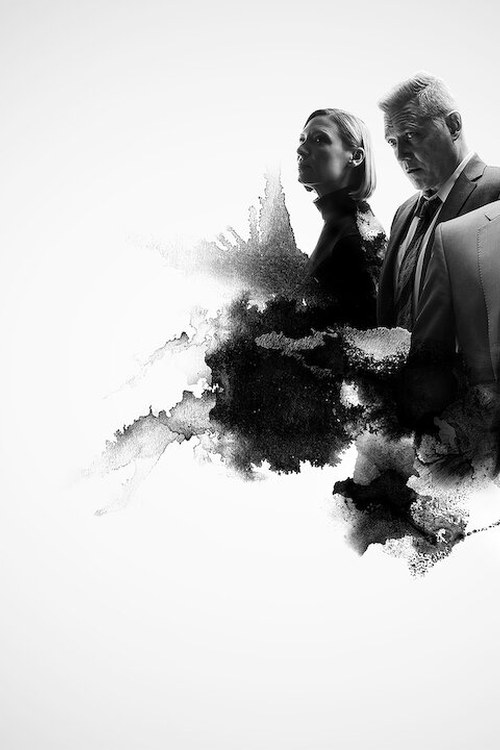
Mindhunter · Season 1 · Episode 1 · 13 October 2017
S1E1 Episode 1
A cold, precise start that turns profiling into an ethical thriller, where curiosity is the risk and method is the disguise.
THE MOMENT Holden's first classroom lecture - the moment the show reveals its subject: not killers, but the science of understanding them.
The hour begins with a promise of method. Then it smuggles in dread. Holden and Bill walk into institutions like they belong there, and they act like curiosity is clean. It is not. The first profile builds on restraint, and the first real violence builds on what that restraint ca
Full episode analysis below. Spoiler-light verdict above.
Updated
The hour begins with a promise of method. Then it smuggles in dread. Holden and Bill walk into institutions like they belong there, and they act like curiosity is clean. It is not. The first profile builds on restraint, and the first real violence builds on what that restraint cannot prevent.
The FBI Learns to Talk Like a Knife
BollyAI's read: the episode is most effective when it treats conversation as a technique, not a personality. Holden Holden Ford and Bill Bill Tench do not chase “answers.” They chase access. The writing frames early exchanges as professional choreography, with procedure and etiquette acting as the camouflage that lets them sit close enough to see what people do when nobody interrupts them.
That matters because the episode’s core tension is not “will they catch a killer?” It is “what does the job ask you to become?” The show makes you feel the cost through small choices: who gets to ask questions, what tone you use, how long you wait before pushing, how quickly you learn that the most important detail is often the one the other person offers on purpose.
The clinical distance, the fluorescent interiors, the almost medical pacing. Those are Fincher fingerprints, but the episode uses them for more than style. The method is a shield, and the episode keeps testing whether it actually protects them or just gives them something to hide behind. Holden’s drive reads like ambition early on, but the episode plants the darker root. He wants the science to be real. He also wants it to make human horror predictable, and the hour never lets you forget how unpredictable people remain once you are in the room.
It is a strong opening because it makes the “profiling” concept legible without turning it into a gimmick. It plays like a case study in how institutions turn language into leverage.
The Room Where Curiosity Turns Into Risk
The episode’s best suspense is not in chases. It is in the moment a conversation stops being a conversation and starts being a transaction. Ford learns quickly that killers can grant permission while still controlling the terms. Bill, meanwhile, brings a grounded suspicion that keeps the work from floating into abstraction.
In that sense, the episode is building two profiles at once: a criminal profile in the work, and a psychological profile in the agents. The hour shows how quickly “polite” becomes “strategic.” The agents ask questions that are almost bland on the surface, but the blandness is the point. It gives the subject room to explain themselves in their own language. And the writing pushes you to notice something ugly: the killers do not merely answer. They perform. They edit. They steer.
This is where the episode earns its thriller label. It is not just that the subject is dangerous. It is that the act of studying them changes the students. The camera stays close enough to show how attention can become obsession. Even when the episode is at its most procedural, the subtext is unstable: the agents are building a tool, and tools can become habits.
The episode also understands power asymmetry. The agents control the goal. The killers control the vibe. The middle is where dread lives.
Institutional Coldness, Human Heat
Fincher-style restraint can easily become sterilized. Here, the episode avoids that trap by anchoring cold institutional spaces in characters who leak warmth at the wrong times. The show’s FBI world is full of meetings, reports, and hierarchies that move like machines. Holden’s intensity cuts through that machine like friction, and Bill’s patience reads like the opposite of thrill, which is exactly why it feels tense.
The script also uses bureaucratic friction as character development. The agents are not granted instant legitimacy. They have to argue for time, for access, for the right to test their idea. Those obstacles do not just slow the plot. They show what kind of work profiling is at the start. It is not glamorous. It is unproven, contested, and dependent on relationships.
And then the episode threads in the human heat through the prison setting itself. The room feels built to minimize the humanity of everyone inside it, including the people asking questions. But the killers are not minimized. The episode gives them presence by letting them speak at length, letting their logic unfold like a lock they designed. The contrast between “system” and “person” creates the show’s distinctive chill.
If the episode has a weakness, it is that it leans on dread atmosphere a little more than it needs to early. There is a temptation in the first hour to let mood do the heavy lifting before the show fully establishes its internal rules. It mostly earns that choice through craft, but you can feel the tightening.
Still, the coldness is not an aesthetic. It is part of the argument: this is a job that forces people to stand next to horror without catching fire.
The Show’s Real Hook Is Ethical, Not Forensic
Mindhunter’s premise sells “profiling,” but the episode’s deeper hook is ethical. The agents are extracting explanations from people who harmed others. Even when the show stays procedural, you can sense the moral weight trying to become plot.
The episode makes a clear distinction between understanding and excusing, even if it does not say those words out loud. Holden’s eagerness can read like empathy, but the writing keeps showing you the boundary between curiosity and complicity. Bill’s skepticism acts as a brake. He does not want to romanticize the work. He wants it to hold up under reality, especially when reality refuses to cooperate with neat theories.
The show also signals that profiling will never be purely intellectual. It will always require emotional navigation. You can watch Holden learn how to listen without losing himself. You can watch Bill learn how to ask without becoming emotionally contaminated.
This is why the episode’s early conversations land with such unsettling force. The killer is not just a mystery. They are a mirror. When Holden studies them, he is also studying what it would feel like to live inside their logic. The show does not let you forget that the method might work. It also might change the person using it.
That ethical question is what gives the episode its thriller snap. The danger is not only in the criminals. It is in the researchers’ capacity to rationalize what they see.
The Verdict
BollyAI's verdict: The episode earns its title as a cold procedural by treating profiling like a craft of language, not a magic trick. It builds dread through etiquette, power dynamics, and bureaucratic resistance, and it uses Fincher-style clinical framing to underline the moral cost of studying killers without becoming like them. The opening hour is not perfectly balanced, occasionally leaning on mood before the internal mechanics fully settle, but the writing’s spine is clear: method first, then consequences.
Season-arc-wise, this episode plants the series promise that “understanding” will be the show’s most dangerous temptation. The science will grow, but the emotional bill will come due.