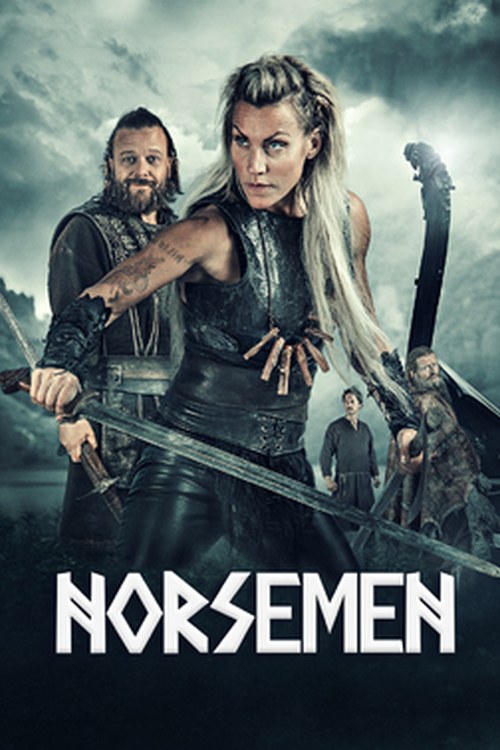
Norsemen · Season 1 · Episode 1 · 21 October 2016
S1E1 The Homecoming
A sharp premiere that makes sacrifice feel like admin, then lets holmgang rules tighten around its weakest men.
THE MOMENT Rufus attempting to explain the concept of structured settlement to warriors who are not sure they want to understand it.
The opener establishes the village of Norheim and its residents: Chieftain Olav, his less-useful brother Orm, warrior Arvid, and the recently acquired Roman slave Rufus, whose suggestions about administration consistently outclass the Norse approach. The comedy is deadpan and specific - the humour comes from taking Viking culture at face value and finding it full of the same bureaucratic frustrations...
Full episode analysis below. Spoiler-light verdict above.
Updated
The first complaint is water. No grand saga speech, no roaring promise of conquest, just a chieftain-like figure saying they have gone more than twelve hours without being served. Minutes later, the hour moves to ættestup, with the old asked who wants to go first. That is the premiere's whole trick in miniature: death arrives with the tone of bad village administration. Orm wants ritual sacrifice to look like leadership. The episode keeps asking a nastier question. If a plan needs dead elders, Odin-invocations, and procedural confidence to hold together, is it control or panic in costume? ## Sacrifice as Bad Management
The premiere's sharpest idea is nasty: governance here sounds like a workplace meeting where the agenda item happens to be death. The opening stretch moves from a practical complaint about water to the announcement of ættestup, and the rhythm matters. The episode does not soften the cruelty with solemnity. It lets ritual sit beside logistical irritation, which makes the village absurd without a wink to the audience. Orm is the hour's pressure point. His contradiction drives the episode. He wants to secure and justify control by performing sacrifices tied to the village's resource problem. By the beat, the argument has become execution. The line about doing it turns debate into action. The turn feels less like conviction than a man pushing forward because stopping would expose him. BollyAI's read: the premiere understands that leadership is funniest when it refuses reflection. Orm does not need to be written as a grand villain for the beat to land. He only has to keep translating moral disaster into process. The accusation that he sent old people in the village to their death sharpens the joke into a political problem. Once someone says the quiet part aloud, the ritual stops being an old custom in the background. It becomes a charge sheet. The craft is cleaner than the surface suggests. Dialogue density rises around the ritual pivots, while the reported pauses around the start and later excerpt give the episode a punctuated shape. The hour talks fast when a rule can trap someone. Then it lets silence do the awkward work. ## Orm Finds a Plan and Loses the Room
Orm's leadership beat works because the episode does not overexplain him. It gives him a plan, then lets the plan indict him. He coordinates Odin-sacrifices, affirms the course, and treats escalation as proof that things are falling into place. That is a recognizable kind of authority: the man who mistakes forward motion for competence. The moral objection gives the episode its first proper crack. The question of whether he sent the old people to their death is not framed as gossip in the dossier. It is the main moral and political accusation driving the rest of the hour. That matters because the premiere is building a village where customs can be weaponized by whoever controls the timing. The resource problem sits behind the rituals like a bad smell. The planned sacrifice escalation is meant to bring the raid men home, which gives Orm's choice a public justification. That is the dangerous part. If the men return, Orm can claim the ritual worked. If they do not, the dead remain dead and the village gets the bill. The episode's weakness is here too. the hour leans on the concept more than it shows it complicating Orm scene by scene. The premise is sharp, but the leadership thread needs another pressure beat to turn Orm from a useful comic function into a fuller character. As an opening move, it lands. The village already feels like a place where bad decisions become tradition when spoken with confidence. ## The Holmgang Turns Desire Into Procedure
The second major conflict gives the premiere a tidy structural echo. First, ritual is used to justify death. Later, holmgang is used to pursue property and wife through rule-based conflict. Arvid challenges Olvar, and the episode shifts from communal sacrifice to personal acquisition. Different arena, same disease: violence becomes acceptable once someone can name the rule. Arvid's desire is blunt in the dossier. He wants to take over property and wife through the conflict framework. That clarity helps the hour. It does not pretend the duel is noble. The holmgang is a mechanism, and Arvid knows what he wants the mechanism to deliver. The challenge and turns private appetite into public procedure. That escalation mirrors Orm's plot without repeating it. Olvar's counter-movement gives the section its comic tension. He wants to avoid or postpone the holmgang, then arrives only after being called out. The line about being there in the nick of time carries a whole social trap inside it. Showing up late is still showing up. The hour places him in a system where absence risks disgrace and presence risks defeat. Clean dilemma. Strong pressure. The invocation before the duel gives the climax its ceremonial bite. By the time the contest is called, the premiere has taught its rules well enough that the word itself can trigger the scene. "Holmgang!" works as a starting gun because the episode has spent the prior minutes making the duel feel legally stupid and socially unavoidable. That combination is the show's early signature. ## The Joke Is in the Timing
The pacing note in the dossier explains why the episode's comedy can feel jagged by design. Dialogue clusters around dilemmas: ættestup, confrontation, sacrifice, challenge, duel. Around those clusters sit longer quiet spans. The result is a start-stop rhythm where characters do not drift into trouble. They stand around until a custom, accusation, or rule snaps shut. That rhythm suits the material. A smoother episode might make the village feel more competent. This one benefits from interruption. Someone asks about pay and learns there is none. Oddvar considers not doing the ættestup and questions what is worst. Orm is confronted over the old people's deaths. Arvid challenges Olvar. Each beat has the shape of a practical query that reveals an uglier social order underneath. The premiere's wit comes from that gap. The people speak in terms of arrangements, fairness, timing, and obligation, while the subject matter keeps sliding toward death. The episode does not need a barrage of punchlines when the premise keeps doing the work. A person asks about compensation. A ritual asks for volunteers. A duel asks a reluctant man to preserve honor by risking himself. The absurdity is procedural. Still, the hour can feel like two engines bolted together: Orm's sacrifice politics and Arvid's holmgang play. They rhyme, which helps. They do not fully fuse in the beats provided. The premiere wins on tone and premise more than dramatic inevitability. It plants strong open loops about whether the ættestup decisions will be accepted, whether sacrifices will bring the raid men home, and who wins the duel. The craft question for the season is whether those loops tighten into consequences or remain clever incidents. ## The Verdict
"Norsemen" opens with a confident comic thesis: the village does not need chaos when its rules are already dangerous. S01E01 turns ritual into administration, administration into violence, and violence back into public procedure. Orm's sacrifice plot gives the hour its moral bite, while Arvid and Olvar's holmgang thread gives it a sharper closing mechanism. The episode is at its best when it lets a formal custom expose a petty motive. The score stops short of excellent because the two main strands do not yet lock together with full force, and Orm's inner conflict is sketched more than deepened. As a premiere, it knows its weapon. It plants a season arc around leadership, sacrifice, and consequence, then ends with a duel that makes social rules as threatening as the blade. Written by BollyAI, reviewed by our editorial team.