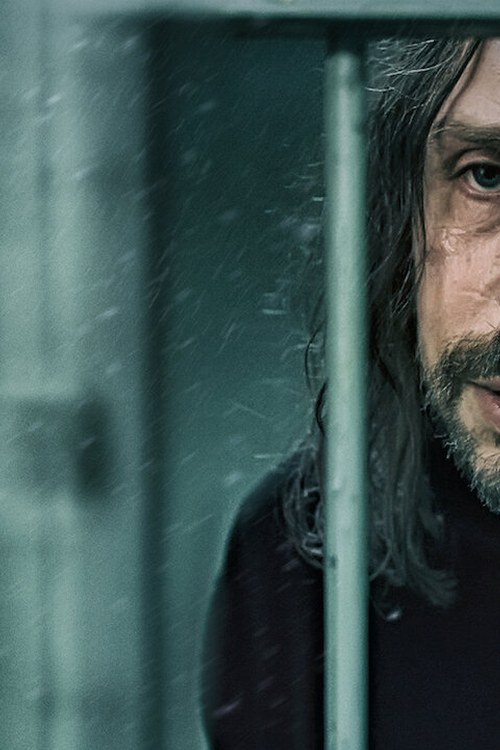
Trapped · Season 1 · Episode 1 · 27 December 2015
S1E1 Episode 1
A tight premiere turns a ferry discovery into procedural pressure, even when character texture trails the machinery.
THE MOMENT The moment the storm closes the road and every resident of the town becomes, simultaneously, a potential witness and a potential suspect.
A ferry docks in an isolated Icelandic fjord town during a winter storm, and a dismembered body is found in its wake. Police chief Andri Ólafsson must contain the crime scene, the suspects and the weather simultaneously.
Full episode analysis below. Spoiler-light verdict above.
Updated
A line hooks something out of the water, and the question comes plain: “What the hell is that?” The premiere does not decorate the moment. It lets the discovery disturb the ferry, then lets procedure make the disturbance worse. Passengers are kept aboard. A captain resists a search. The heat goes off. A name is hunted through the crowd. By the end, the episode has turned one crime scene into a locked room with engines, weather, law, and panic pressing against the walls. BollyAI's read: the hour works because it treats containment as action.
The Trap Is Built Before Anyone Names It
The opening stretch is small enough to look harmless. Thorhildur offers the use of her washing machine. Andri says he will tell someone about Agnes calling and that a man is coming. These are quiet beats, and the episode does not pretend otherwise. They establish a town where information travels through ordinary channels before crisis gives those channels a job.
Then the ferry discovery changes the scale. The line “What the hell is that?”, is useful because it is blunt. No elegant dread. No forensic poetry. A person sees something wrong and says the obvious thing. That is the premiere's sharpest instinct: it keeps the language practical while the situation grows uglier.
The episode's engine is a simple squeeze. A dead body is connected to the ferry, so nobody can treat the ferry as normal transport anymore. That is where Sigurdur becomes more than a functionary. he orders passengers to remain aboard indefinitely. It is a control move, and the hour lets that move carry the first real charge. People are converted from travelers into suspects, witnesses, liabilities, and bodies in a shared space.
That is the cleanest choice in the premiere. The show does not need a chase when a passenger list can do the chasing.
Law Becomes a Door That Will Not Open
The captain's resistance gives the episode its best procedural friction. he insists they need a Danish warrant before searching the ferry. On paper, that is a legal objection. Under pressure, it plays as obstruction, delay, and possible self-protection. The central contradiction sits there: the captain wants proper authorization, while the response treats his position as suspicious enough to justify tighter containment.
That ambiguity helps. The hour does not have to prove the captain guilty to make him dangerous to the investigation. He can slow the search simply by being correct about process. The premiere understands that bureaucracy can be suspense when the clock has a corpse attached to it.
This is also where Andri's need for control sharpens. His position is clear: keep people on board until the investigation team arrives. That gives the episode a hard operational line, but it also reveals the fragility under the command. He can order containment. He cannot make the warrant issue vanish. He can hold the ferry. He cannot instantly know whether the killer is still inside it.
The writing's weakness shows here. Some escalation arrives through functional dialogue rather than distinctive character pressure. The legal argument is strong as a mechanism, but the hour sometimes lets the machinery speak louder than the people turning it. Still, as a premiere move, it works. A locked space becomes more interesting when the lock has paperwork on it.
The Heat Goes Off, and the Case Gets Smaller the episode pivots with the reported line, “And there's another problem.” It is a plain transition, almost aggressively unglamorous, which is why it lands. The captain has turned off the heat. The investigation has not solved its first problem before the environment starts adding new ones.
This is the hour's best structural beat. The murder discovery creates suspicion. The containment order creates conflict. The heat problem creates physical consequence. The ferry becomes a place where people are being kept under worsening conditions, and every procedural delay now has a bodily cost.
The dialogue density around the ferry discovery and containment gives the episode a crowded, argumentative texture. That matters because the premise could turn static: people stuck on a vessel, authorities negotiating search conditions, a killer possibly among them. The premiere counters that by layering one restriction over another. Stay aboard. Wait for authority. Search for a suspect. Deal with the heat. Each order narrows the available space.
The substantial stretches of reported silence also help. The episode does not fill every gap with explanation. Its quieter passages create room for the trapped feeling to gather. Silence in a crisis can be cheap if nothing is happening underneath it. Here, the silence sits between discovery, argument, and operational failure. It feels like the ferry holding its breath.
A Name in the Crowd
The search for Jonas Malakauskas gives the premiere a necessary target. Passengers are searched for a Lithuanian, and the crowd becomes readable in a new way. Until then, the ferry is a mass of detained people. With a name attached, the investigation can pretend it has direction.
Pretend is the key. The name is useful, but the open loops remain bigger than the lead. What connects the dead body to the ferry? Can the investigation identify the killer before anyone else is killed? Will the authorities keep searching while the warrant dispute remains unresolved? The episode plants those questions cleanly and avoids solving them too early.
That restraint matters. A weaker premiere would overpay the first lead, turning Jonas Malakauskas into a shortcut. This hour uses the search as pressure, not closure. The passenger search changes the mood because everyone aboard now knows the authorities are looking through them.
Hjörtur cuts through the ferry crisis with a different concern: he asks how Agnes is doing. The beat matters because it keeps personal information alive inside the procedural fog. The show has already placed Agnes in Andri's orbit through the earlier call, and Hjörtur's question keeps that thread from feeling decorative. It is a small human tug against the machinery of warrants, captains, searches, and containment.
The Line Lands Because the Hour Earns It
By, the episode arrives at the blunt crystallizing line: “We're all trapped.” It could have played like an obvious title-card thought if the hour had not spent its runtime making the sentence practical. The passengers are trapped by order. The authorities are trapped by law. The captain is trapped by suspicion. Andri is trapped by the need to control a situation that keeps producing new constraints.
That is the premiere's argument, and it is a strong one. In this story, being trapped is a systems failure. The ferry cannot simply be cleared. The search cannot simply happen. The investigation cannot simply wait without risk. Every sensible action creates a new danger.
The hour's limitation is that some players remain defined more by position than personality. Sigurdur orders. The captain resists. Andri contains. Hjörtur asks. The functions are crisp, but the character texture has room to deepen. As a first episode, the trade is acceptable because the architecture is firm. The trap is legible, the pressure escalates, and the final line confirms a condition the episode has already built.
The Verdict
"Episode 1" is a solid, controlled premiere that understands the power of restriction. Its best craft choice is to make every solution feel like another locked door: keep passengers aboard, demand a warrant, cut the heat, search for Jonas Malakauskas, wait for the investigation team. The episode works better as a pressure machine than as a character showcase, which keeps it just below excellent. Still, the construction is clean, the containment premise lands, and the closing line pays off the hour's slow tightening. As a season opener, it plants the central investigation, the ferry's legal standoff, and Andri's need for control with enough force to justify the next step.