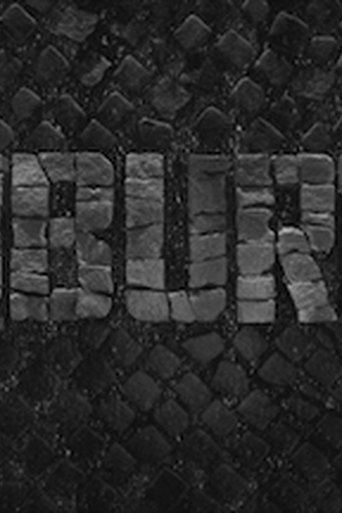
Suburra: Blood on Rome · Season 3 · Episode 6
S3E6 Episode 6
Suburra ends its run as a ledger of consequence, where every loyalty becomes payment and no character gets a clean exit.
Rome keeps its bargains quiet until the last moment. This hour turns the city’s usual mechanism of delay into pure finality. Power does not “negotiate” so much as it finishes what it started, and the people who built themselves for leverage discover a cruel truth. When the Vatica
Full episode analysis below. Spoiler-light verdict above.
Updated
Suburra: Blood on Rome S3E6: "S03E06" Review
Spoiler-light verdict above. Full episode analysis below.
### COLD-OPEN Rome keeps its bargains quiet until the last moment. This hour turns the city’s usual mechanism of delay into pure finality. Power does not “negotiate” so much as it finishes what it started, and the people who built themselves for leverage discover a cruel truth. When the Vatican land deal finally lands as consequence, it does not reward the clever. It empties the room.
### ## The Closure Turns Into a Mercyless Accounting BollyAI's read: Season 3’s last hour is less about surprising you than about tallying what the show has already charged up. Every strand that survived the compressed format does so with a purpose: to make the end feel earned, not merely final. The episode treats “resolution” like a ledger. You can feel the writers pulling earlier damage forward, asking what each choice cost when no one was looking, and then insisting on payment anyway.
What makes the hour sting is how it refuses catharsis. The show’s universe runs on compromised loyalty, and the episode does not rotate through moral clarity as a reward for suffering. Instead, it shows the logic continuing past where you want it to stop. If someone has power, it is never clean. If someone has love, it is never strong enough to halt the machine. The episode’s bleakness is not decorative. It is structural: every “maybe” has been taken away by the time the last quarter arrives.
This is also where the compressed season becomes a craft advantage rather than a restriction. Earlier seasons could luxuriate in momentum. Here, the final hour has to do the work of multiple episodes, so it chooses fewer, sharper decisions. The result is closure that feels like impact, not like explanation.
### ## Fate Is the Only Institution Left Standing Season 3 has already burned through most formal authorities: politics, church-adjacent influence, and the gangster “family” as a system of belonging that claims order. By the end, the only institution the hour actually believes in is fate, which is to say consequence.
BollyAI's read: the episode builds its ending as a trap that snaps shut regardless of who tries to steer it. Characters make moves that look like agency. Then the show undercuts those moves by reframing them. The people who thought they were buying outcomes instead purchased time. The final act uses that pattern to strip away illusions.
This is not just thematic. The episode’s staging and pacing support it. Events do not unfold with the usual rhythm of “setup, complication, aftermath.” Instead, the hour marches through decision points that land like verdicts. When there is a standoff, it is not a standoff for drama. It is a standoff for inventory: who gets to keep what, who loses what, and which lie survives the night.
Where the show’s bleakness lands hardest is in how it treats loyalty as a currency that devalues instantly. In this world, “protecting” someone often means positioning them to become expendable later. The ending turns that pattern into an ugly mirror.
### ## Aureliano and Spadino Are Not “Ends.” They Are Costs The season finale has the responsibility of paying off the Aureliano and Spadino arcs without turning them into tidy character portraits. The hour does not give you that kind of mercy. Instead, it treats their end states as the costs of becoming what Rome rewards.
BollyAI's read: Aureliano and Spadino function like two sides of the same moral equation. One learns to negotiate with the system. The other learns to move through it like weather, fast and disposable. By the time the Vatican land deal is no longer a plot hook but a detonator, the episode shows the difference in how each man handles losing control. Aureliano reacts like someone who thinks structure can still be mastered. Spadino reacts like someone who has always understood that the street wins until it doesn’t.
The tragedy is that the hour does not present a “third option.” It does not offer redemption. It offers clarity, and clarity is a kind of violence when the world has never been designed for it. Their final moments are constructed to feel like conclusions rather than escape hatches.
This is where the episode’s craft choices earn their bleakness. The final season has fewer episodes to build emotional momentum, so the writing leans on character logic that has been established over time. You feel the weight of past scenes because the finale’s decisions echo them. It is not nostalgia. It is causality.
### ## Samurai’s Arc Gets a Different Kind of Closure BollyAI's read: Samurai deserves a special mention because his story, unlike the more political or transactional plotlines, has often been about identity under pressure. In the finale, that pressure becomes explicit: the world he tried to survive is built to consume survivors.
Samurai’s ending is not simply “tragic” in the familiar genre sense. It is tragic because it denies the illusion that time spent suffering has bought him a stable self. The episode turns his arc into an argument: survival is not the same thing as victory, and the show does not let him cheat that equation.
The episode’s best work with Samurai is how it keeps the emotional tone consistent with the show’s larger vision of Rome. This city does not run on character growth. It runs on deals. When Samurai is placed at the center of the finale’s consequences, he is not granted an opportunity to convert pain into meaning. He is granted an opportunity to be used, and he resists until resistance becomes irrelevant.
The writing here is efficient, almost brutal. The hour compresses a life into a decision, then pays it out immediately.
### ## The Season Ends Where It Began: Everyone Sold Something If there is a single image the finale seems to worship, it is sale. Not just corruption as a concept, but sale as a daily practice. People sell time, people sell trust, people sell other people. The Vatican land deal is the plot engine, but the show always uses it as a metaphor for how Rome treats institutions as marketplaces.
BollyAI's read: the episode makes the ending feel inevitable by aligning the political strand with the street strand. It does not let you believe the finale will be split into “big decisions up top” and “consequences down below.” Instead, it forces the two to collapse into each other. The people closest to the deals do not escape moral contamination, and the people closest to the damage do not receive justice. The city absorbs everyone and then pretends nothing happened.
That is the show’s final insult. There is no clean victory, only the exposure of the mechanism. This is the kind of ending that sticks because it is not designed to soothe. It is designed to confirm the thesis the series has been whispering through every bargain: Rome is for sale, and the only thing you can do is choose what you lose first.
There is one limitation worth naming. The compressed season means the finale has less room to linger in the aftermath of each emotional hit. Some transitions can feel like they prioritize momentum over processing. But that trade is consistent with the show’s worldview. If Rome does not linger, neither does this hour.
### ## The Verdict Season 3 closes with an ending built like an invoice: Aureliano, Spadino, and Samurai do not get “closure” so much as they get consequence, with politics and street-level betrayal paying out in the same currency. The finale’s bleakness is disciplined rather than accidental, and it benefits from the season’s compression because it makes each decision land as final. The only cost of that efficiency is that some emotional aftershocks happen fast, without the slower emotional digestion earlier seasons could allow. Still, the episode earns its last-episode status by turning the Vatican deal into the series’ ultimate mirror. One season-arc sentence: Season 3 finishes the Suburra story by proving that in this Rome, the institutions never break, they just keep selling, and the people who thought they could outsmart the system end up showing exactly how it priced them.